Sleep Course vs. Sleep Supplements
Comparing two fundamentally different ways to approach better sleep.
Last updated September 23, 2026
This is a conceptual comparison rather than a head-to-head between two specific products — the goal is to help you understand which broad approach might fit your situation, time and budget.
Sleep Course vs. Supplements: Two Different Approaches
When weighing a sleep course vs. supplements, it helps to see that they work in very different ways.
Guided sleep courses and sleep supplements solve the same underlying problem: difficulty sleeping well.
One changes habits and mindset over time. The other introduces a substance intended to support relaxation directly.
Neither is automatically better. The right choice depends on what’s actually keeping you awake.
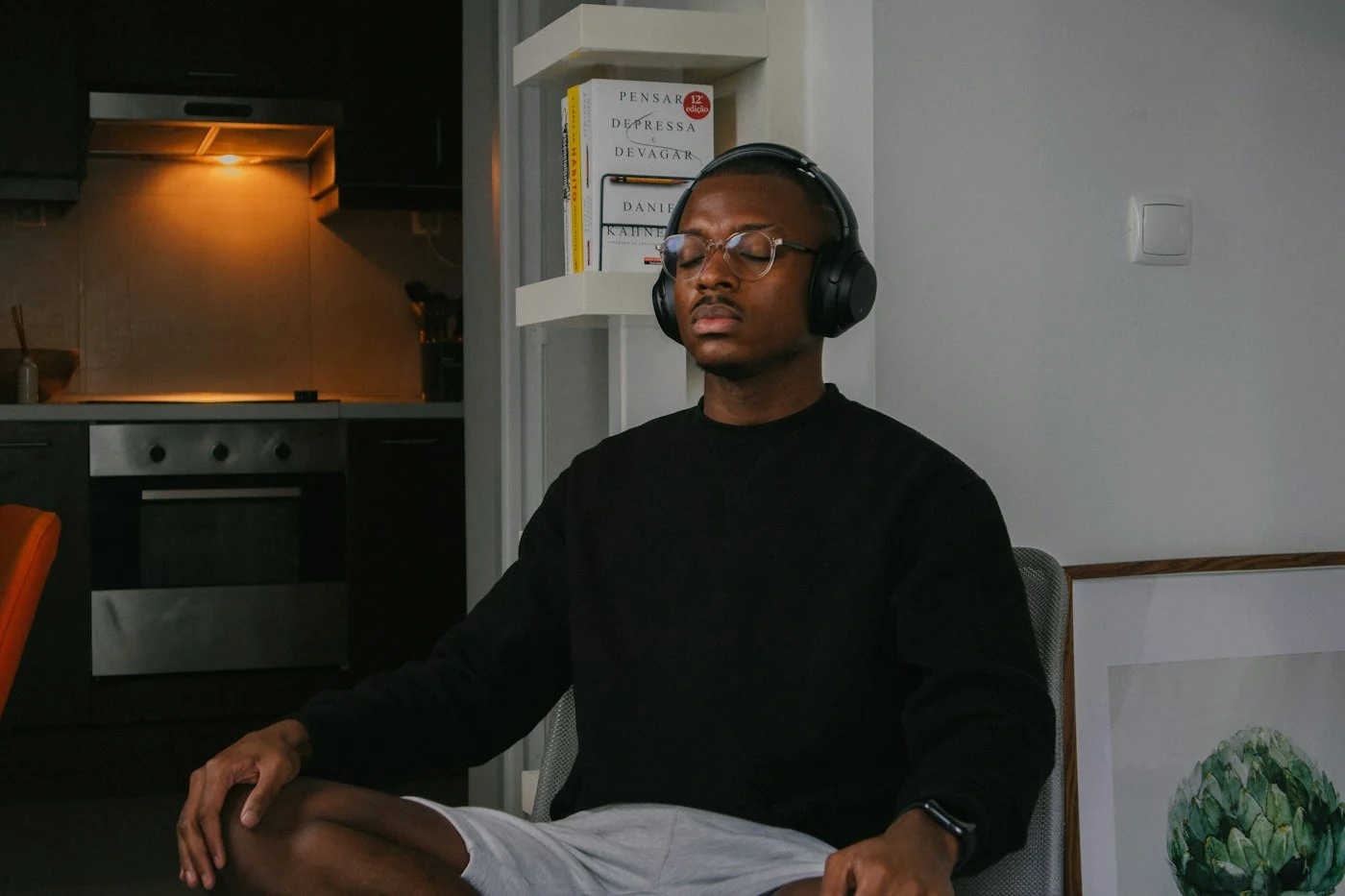
What a Behavioral or Educational Approach Involves
A guided program like Mindvalley Sleep typically includes structured audio sessions, breathing exercises and relaxation techniques.
These are delivered over a series of sessions. The goal is to change how you wind down and how you think about sleep.
The underlying relaxation techniques have some research support for stress reduction (NCCIH).
It’s worth knowing that a general guided course is not the same as CBT-I (Cognitive Behavioral Therapy for Insomnia). CBT-I is a structured clinical treatment with strong evidence for chronic insomnia.
What a Supplement-Based Approach Involves
A supplement like Slumber CBN is taken nightly.
It’s intended to support relaxation directly through its ingredients. It doesn’t require a behavior-change process.
Common sleep supplements include melatonin, magnesium, CBN and herbal blends. The evidence behind each one varies a lot.
How Fast Do They Work?
Behavioral approaches are usually slower. It often takes a few weeks of regular practice before you notice a change.
The upside is that the skills you build can keep helping after you stop the course.
Supplements, if they help, may work from the first nights. However, the effect usually lasts only while you keep taking them.
What the Evidence Says
Relaxation training and mindfulness-style practices have reasonable support for reducing stress. Stress is a common driver of poor sleep.
The strongest evidence of all is for CBT-I, which major medical organizations recommend as a first-line treatment for chronic insomnia.
For supplements, the picture is mixed. Melatonin has the most research, mainly for body-clock timing. Evidence for CBN and magnesium is limited.
We’re not aware of studies directly comparing a specific sleep course with a specific supplement.
Time and Effort
A sleep course asks more of you. You need to set aside time most days and follow the program in order.
A supplement asks very little. You take it and go to bed.
That difference matters. The best approach is often the one you’ll actually stick with.
Cost
Guided courses are usually sold as a subscription or a one-time program fee.
Supplements are usually a recurring monthly purchase.
Over a year, both can add up. Check current prices directly with each provider, since they change often.
Side Effects and Safety
A guided course has very little physical risk. Some people find relaxation exercises uncomfortable at first, which is normal.
Supplements can cause side effects and may interact with medications. Some cannabinoid products also contain THC, which matters for drug testing and legal status.
Talk to a doctor or pharmacist before starting any supplement.
Which Problem Does Each One Address?
A course may fit better if:
- A racing mind or worry keeps you awake. See How to Fall Asleep When Your Mind Won’t Stop.
- Bedtime itself makes you anxious. See Sleep Anxiety.
- You want a long-term skill rather than a nightly product.
A supplement may fit better if:
- You want something simple to add to an existing routine.
- Your issue seems more physical than mental.
- You’ve checked with a doctor that it’s safe for you.
Can You Use Both?
Yes. There’s no built-in conflict, because they address different things.
Many people start with better habits and a wind-down routine, then add a supplement only if they still need extra help. Just check any supplement with a doctor if you take other medication.
Where to Start
If you’re unsure, begin with the free basics: a consistent wake time, morning light and a short wind-down routine.
Our guide on building a better nighttime routine is a good first step.
If poor sleep continues for weeks, speak with a doctor. They can check for underlying causes and discuss CBT-I.
| Feature | Guided Sleep Course | Sleep Supplement |
|---|---|---|
| What it involves | Structured audio sessions, breathing, relaxation training | A nightly product you take before bed |
| Time commitment | Higher — a sequenced program over weeks | Lower — take and go |
| Cost structure | Typically an ongoing subscription | Typically a recurring product purchase |
| Addresses | Habits, mindset, racing thoughts | Direct relaxation support (ingredient-dependent) |
| Best suited for | A busy or anxious mind, wanting to build lasting habits | Wanting a simpler, faster-to-try nightly addition |
| Evidence style | Draws on general relaxation/mindfulness research | Varies by ingredient — see individual ingredient research |
| Learn more | Read review | Read review |
Guided Sleep Course
- What it involves
- Structured audio sessions, breathing, relaxation training
- Time commitment
- Higher — a sequenced program over weeks
- Cost structure
- Typically an ongoing subscription
- Addresses
- Habits, mindset, racing thoughts
- Best suited for
- A busy or anxious mind, wanting to build lasting habits
- Evidence style
- Draws on general relaxation/mindfulness research
Sleep Supplement
- What it involves
- A nightly product you take before bed
- Time commitment
- Lower — take and go
- Cost structure
- Typically a recurring product purchase
- Addresses
- Direct relaxation support (ingredient-dependent)
- Best suited for
- Wanting a simpler, faster-to-try nightly addition
- Evidence style
- Varies by ingredient — see individual ingredient research
Disclosure: Some links on this page are affiliate links. If you make a purchase through one of these links, we may earn a commission at no additional cost to you.
Which Might Fit You Better
If your main obstacle is a racing mind or inconsistent habits, a guided course addresses that more directly than a supplement will.
If you want something simpler to add to an existing routine, or your main issue seems physical rather than mental, a supplement may be the lower-effort starting point.
The two aren't mutually exclusive — some people use both.
Shared Pros
- Both approaches address the same underlying goal — better sleep — without requiring a doctor's prescription
- Neither locks you into the other; they can be used independently or together
Shared Considerations
- A guided course requires a real time commitment to see its intended benefit
- A supplement doesn't address underlying habits or a racing mind directly
- Neither replaces professional care for a diagnosed sleep disorder
Frequently asked questions
Can I use a sleep course and a supplement at the same time?
Yes, there's no inherent conflict — they address different things. If you're also taking medication, check with a doctor about any supplement first.
Which is more expensive over time?
Both are typically ongoing costs (a course subscription vs. recurring supplement purchases); check current pricing on each provider's site, since neither of us can quote a figure that stays accurate.
Which works faster?
A supplement is generally faster to "try" since there's no learning curve, but a behavioral approach may produce more durable change over time for mind-related sleep issues. Neither is guaranteed to work for everyone.
Editorial note
This comparison is conceptual, contrasting two categories of approach rather than claiming one program or product is superior to the other. See our individual reviews of Mindvalley Sleep and Slumber CBN for specifics on each.