CBN for Sleep: What We Know
A plain look at CBN as a sleep aid — what's understood, and what isn't yet.
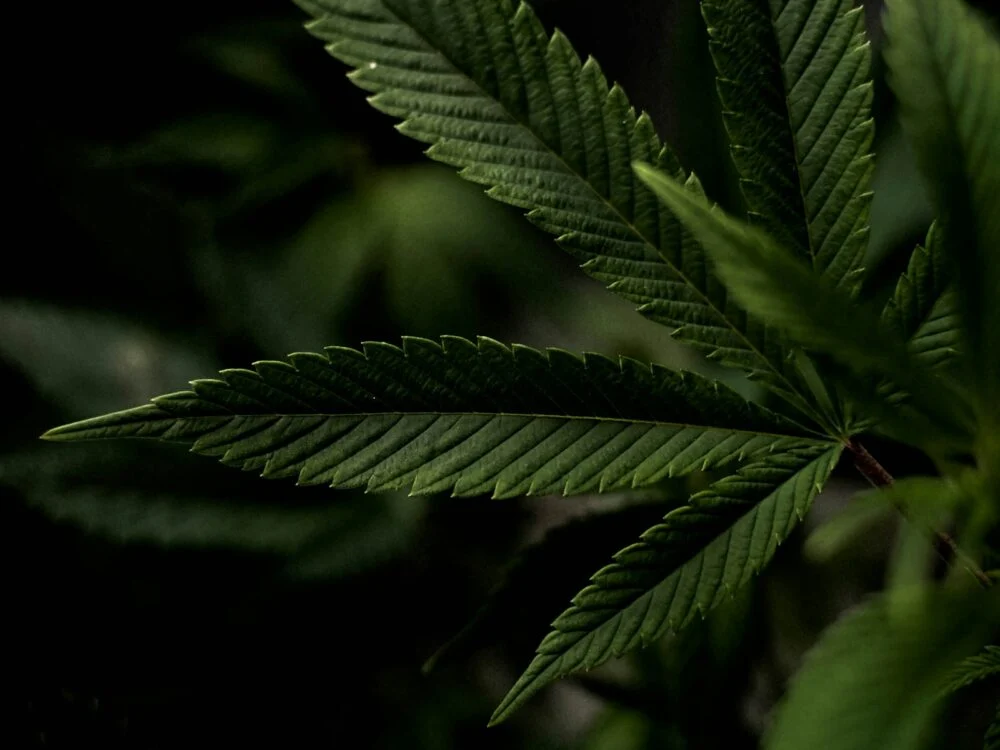
CBN (cannabinol) is a minor cannabinoid found in cannabis, increasingly marketed as a natural sleep aid. You’ll see it in gummies, tinctures and softgels labelled for “deep sleep” or “nighttime.”
Here’s an honest look at what’s currently known — and, just as importantly, what isn’t.
Key takeaways
- CBN forms when THC ages and breaks down; it’s usually present in cannabis only in small amounts.
- Its reputation as a sleep aid comes largely from marketing, anecdotal reports and early research, not from large independent clinical trials.
- The small number of human studies published so far have produced limited and mixed findings.
- Many CBN products combine it with other ingredients (CBD, THC, melatonin, herbs), which makes it hard to know what’s doing what.
- Product quality varies widely — look for independent lab testing, clear dosing and transparent sourcing.
- Talk to a doctor before trying CBN, especially if you take other medications.

What CBN is
CBN is one of more than a hundred cannabinoids found in the cannabis plant.
It forms as THC (the main intoxicating compound in cannabis) is exposed to heat, light and oxygen over time, which is why older cannabis tends to contain more CBN.
It’s typically present in much smaller amounts than THC or CBD, so products usually use a concentrated or isolated extract.
CBN is generally described as far less intoxicating than THC, but it isn’t identical to CBD and it isn’t guaranteed to be non-psychoactive at every dose. How strongly it affects a given person can vary.
Why it’s marketed for sleep
Brands frequently describe CBN as sedating or relaxing.
Part of that reputation likely comes from the observation that aged cannabis — which contains more CBN — was thought to feel more sedating, although that effect may also relate to other compounds in aged cannabis.
Older, small-scale studies and consumer anecdotes added to the story. The result is a strong marketing narrative that has moved faster than the research.
What the evidence says about CBN for sleep
Published, independent research specifically on CBN’s effects on human sleep is limited compared to better-studied options like melatonin.
In recent years, a small number of controlled human trials have been published, but they have generally been small and short, with results that are modest or mixed rather than clearly positive.
Some of the research has been funded by companies that sell cannabinoid products.
We’re not aware of a large, independent clinical trial that confirms CBN is effective for sleep. That doesn’t mean it can’t help anyone — it means the honest answer today is “not yet well established.”
Why combination products complicate the picture
Many products sold for sleep combine CBN with CBD, small amounts of THC, melatonin, or herbal ingredients like chamomile or L-theanine.
If you feel an effect from one of these, it’s difficult to know whether it came from CBN or another ingredient. Melatonin in particular has a larger research base of its own.
Reading the full ingredient list — not just the front label — tells you what you’re actually taking.
Safety and practical considerations
- Medication interactions: as NCCIH notes, cannabinoids can interact with other medications, including sedatives and drugs processed by the liver. Check with a doctor or pharmacist first.
- Next-day effects: some people report grogginess. Avoid driving or operating machinery until you know how a product affects you.
- Trace THC and drug testing: some cannabinoid products contain small amounts of THC, which may matter if you’re subject to drug testing.
- Legal status of cannabinoid products varies by country and state — check your local rules.
- Pregnancy and breastfeeding: cannabinoid products are generally not recommended; speak with a doctor.
- Regulation: in many places, supplements are not reviewed for effectiveness before being sold, and label accuracy can vary.
What to check before trying a CBN product
- Independent lab results (COA): a certificate of analysis from a third-party lab should confirm the CBN content and test for contaminants and THC levels.
- Exact dose per serving: the label should state how many milligrams of CBN — and of any other active ingredients — are in each serving.
- Full ingredient list: know what else is in the product.
- Sourcing transparency: reputable brands explain where and how their extracts are produced.
- Realistic claims: be cautious with products that promise guaranteed or dramatic results.
See our Slumber CBN review for one example of how we assess a product.
Start with the basics first
No supplement replaces the fundamentals: a consistent wake time, morning light, sensible caffeine and alcohol timing, and a calm, cool bedroom.
If you haven’t tried those yet, see Natural Ways to Improve Sleep.
If you wake in the night rather than struggling to fall asleep, Why Do I Wake Up at 3 AM? covers the most common causes.
How CBN compares with other options
If you’re weighing CBN against other common over-the-counter options, see our CBN vs. Melatonin and CBN vs. Magnesium comparisons, which look at mechanism, evidence and typical use.
Frequently asked questions
Will CBN get me high?
CBN is generally considered much less intoxicating than THC, but effects can vary by person and dose, and some products also contain THC. Check the lab results for THC content.
Is CBN the same as CBD?
No. Both are cannabinoids, but they are different compounds with different properties. CBD has been studied more extensively overall.
Is CBN better than melatonin for sleep?
There’s no strong evidence that it is. Melatonin has a considerably larger research base, particularly for adjusting sleep timing. See CBN vs. Melatonin.
Speak with a doctor before starting any new supplement, especially if you take medication or have an existing health condition. This article is general information, not medical advice.
Sources
Looking for something more specific? Start with your sleep problem.